Table of Contents
It prevails, however can be really severe, impacting exactly how you feel, believe, and act. Having depression is various than just really feeling sad. It is a consistent feeling of unhappiness, pessimism, and loss of rate of interest. To be identified with clinical depression, signs and symptoms must exist for two weeks or even more.
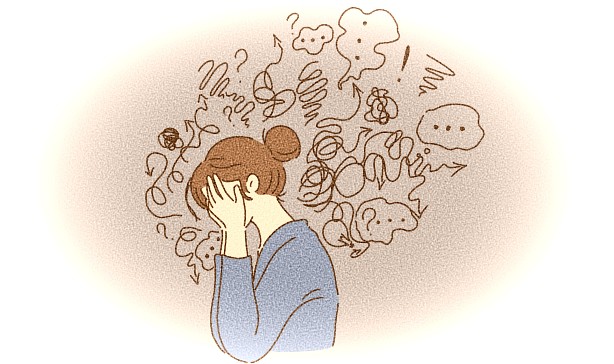
From person to person the intensity and regularity of symptoms will vary, and while some people just experience a few signs, others experience numerous. Relentless unfortunate, distressed, or "vacant" state of mind Really feeling hopeless Really feeling useless Angry outbursts, impatience, or stress Loss of passion or satisfaction in leisure activities and tasks Believing nothing is worth attempting Thinking of fatality, or that life is not worth living Lack of energy Moving or speaking slower than common Trouble with focus, emphasis, memory, and decision making Feeling uneasy or having problem sitting still Cravings or weight modifications Trouble resting, early-morning awakening, or sleeping far more or much less than regular Aches or pains, headaches, pains, or gastrointestinal problems without a clear physical cause Although clinical depression is just one of one of the most usual psychological disorders in the US, there is no precise recognized reason for depression.
How a Safe Space in Successful Counseling
Threat aspects for clinical depression consist of: Acquired qualities, personal or household background of clinical depression Ecological variables, like major life changes, injury, or stress Emotional elements Certain physical health problems and medications Biological distinctions, brain chemistry, or hormonal agents One of the most effective treatment for depression is drug and psychiatric therapy. The earlier that anxiety is dealt with, the much easier it is to treat.
Speaking to a psychoanalyst, psychologist or various other psychological wellness specialist, can be extremely useful for individuals with anxiety. Medicines to treat depression are called antidepressants. There are lots of sort of antidepressants that do various things in the brain, like enhance how the mind uses particular chemicals, or support your mood.
Understanding How Relationship Therapy Resolves Trust Issues and Trauma With Compassionate Support
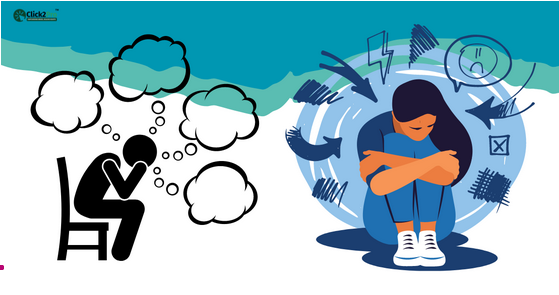
Some examples of antidepressants are: Discerning serotonin reuptake preventions (SSRIs) Serotonin-norepinephrine reuptake inhibitors (SNRIs) Irregular antidepressants Tricyclic antidepressants Monoamine oxidase preventions (MAOIs) Yes, you can have anxiousness and clinical depression at the very same time. Although they are two different and distinctive mental health and wellness issues, they generally happen simultaneously. Often, somebody can have both an anxiety disorder and a major depressive problem.
In various other instances, depression might trigger anxiety. Yes, there is a difference in between anxiety and anxiety medicine.
The Signs of Compassion Fatigue and Finding Support
Other drugs that can deal with anxiety and depression consist of tricyclic antidepressants (TCAs), discerning norepinephrine reuptake inhibitors (SNRIs), and anti-anxiety drugs. Treatment can be a helpful tool for individuals with stress and anxiety and anxiety. Cognitive behavior modification (CBT), has shown to be among the most reliable sorts of therapy. For both stress and anxiety and clinical depression, CBT includes talking via habits patterns, and assists to teach people with these mental diseases how to deal with symptoms.
The majority of dealing with stress and anxiety and depression with treatment is overlapping. Using evidence-based strategies certain to the treatment of state of mind conditions, like CBT, and regularly speaking to a specialist will aid those with anxiety, clinical depression, or both, make noticeable enhancements.
Evidence-Based Techniques for Managing Emotional Challenges in Dubai
Psychological health is made complex. While professionals have produced particular diagnoses for different kinds of disorders, the fact is that lots of disorders have a lot of overlap, which can make it fairly hard to separate between two separate troubles. One of the most usual issues that individuals have is attempting to tell the distinction between anxiety and depression.
While it would certainly be fantastic if there were a fool-proof method of telling you whether you have anxiousness or anxiety, it's not rather that basic. One person can quickly have both anxiety and anxiety, and some people may have created depression symptoms as a result of their anxiety condition. It's a bit harder than stating "you have anxiousness" or "you have depression" because it's possible to have mixes of both.
Signs and symptoms of one or the various other might bleed right into whichever problem you have, because both share comparable reasons, problems, and so on. The very best means to comprehend the difference in between the two problems is with the key signs, starting with the psychological signs. Anxiety: Worry over what's about to happen and what could take place in the future.
Recognizing Attachment Wounds Influences Present-Day Challenges
Really feeling like you require to run away or stay clear of things that can cause more stress and anxiety. Anxiety: Feeling of unhappiness about the future, as though it's helpless.
Those with anxiety frequently presume a negative future and don't anticipate anything else or assume there's anything worth preventing. Anxiety can take place after a person experiences anxiousness, since someone that manages severe stress and anxiety might wind up really feeling drained and helpless as soon as their anxiety or anxiousness strike mores than. That's why the two problems can be challenging to inform apart.
Physical signs and symptoms can be really different. Once more, there are similarities. Both stress and anxiety and depression can leave you really feeling drained pipes and fatigued. However when it comes to anxiousness, it has a tendency to happen after intense stress and anxiety, while with anxiety it tends to be extra constant, without necessarily any kind of triggers.
Physical signs that appear like health and wellness problems, specifically if accompanied with health and wellness worries. Rapid heart price, bowel concerns, hyperventilation, and other "energy" triggering signs and symptoms. Clinical depression: Extreme absence of power or drive. Level affect (total lack of feeling) along with reduced reasoning and habits. Severe cravings modifications, migraines, and rest issues. Clinical depression in fact often tends to have less physical signs, however the psychological symptoms can be so harmful (particularly the capacity for suicidal ideas) and the lack of power so articulated that several people with clinical depression take care of intense struggles daily that definitely competing the signs of stress and anxiety.

Navigation
Latest Posts
Therapeutic Training in Psychodynamic Therapy for Child therapy
The Ways Sensorimotor Work Supports Resolution in El Dorado Hills, CA
Benefits of Timely Treatment