Table of Contents
The therapy advised will certainly be based upon the sort of depression you have. If you have less serious (mild) clinical depression, the adhering to treatments might be suggested. If a general practitioner detects you with light clinical depression, they may recommend waiting a brief time to see if it improves on its own. In this situation, you'll be seen once more by the general practitioner after 2 to 4 weeks to check your progress.
Your GP might recommend trying guided self-help to see if it can assist with your anxiety. You'll usually have 6 to 8 sessions where you function via a workbook or online course, with support from a therapist.

There's evidence that exercise can aid depression, and it's one of the main treatments for mild depression. You might be referred to a group exercise course that's made to assist with depression.
Physiological Understanding for Healing Depression
A general practitioner can refer you for chatting treatments, or you can refer on your own straight to an NHS talking therapies service without a recommendation from a GENERAL PRACTITIONER. If you have extra severe clinical depression, that includes modest or severe depression, the complying with treatments might be recommended. Antidepressants are medications that treat the symptoms of anxiety.
They have actually to be prescribed by a doctor, normally for anxiety that's moderate or extreme. A general practitioner may advise that you take a course of antidepressants plus talking treatment, especially if your depression is quite extreme. A mix of an antidepressant and CBT normally works far better than having just among these treatments.
These groups often give intensive professional speaking therapies in addition to prescribed medication. Cognitive behavioural treatment (CBT) aims to help you understand your thoughts and practices, and how they affect you. CBT identifies that occasions in your past may have shaped you, however it concentrates mostly on just how you can change the means you believe, really feel and behave in the present.
CBT is readily available on the NHS for people with clinical depression or any type of other mental health issue it's been revealed to aid. If CBT is advised, you'll generally have a session with a therapist when a week or as soon as every 2 weeks. This may be a team session or a specific session.
The Benefits of Trauma Addresses PTSD Through Professional Support
They can refer you for local chatting therapies for anxiety. Waiting times for talking treatments can be a number of weeks or months.
Animated video discussing self-referral to speaking treatments solutions for stress and anxiety, anxiety or clinical depression. Includes British Indication Language (BSL) translation. Media last evaluated: 6 March 2023Media review due: 6 March 2026 Antidepressants are medications that treat the signs of anxiety. There are various kinds readily available. The majority of people with modest or serious clinical depression gain from antidepressants, however not everyone does.
Exploring Attachment-Focused BSP for Managing
Side effects vary between different therapies and individuals. Contact a General practitioner directly away if you have any kind of sensations of despondence or suicidal ideas that begin or obtain even worse after starting antidepressants.
If they're functioning, you'll require to proceed taking them at the very same dosage for at the very least 4 to 6 months after your symptoms have actually alleviated. If you have had episodes of anxiety in the past, you may require to proceed to take antidepressants long term. You'll be evaluated at the very least two times a year to see whether you need to keep taking them.
These side effects generally improve over time. SSRIs may not be suggested for people with specific health conditions, or for children and young individuals under 18 years of age.
Managing Depression and Anxiety With Couples and Individual Therapy
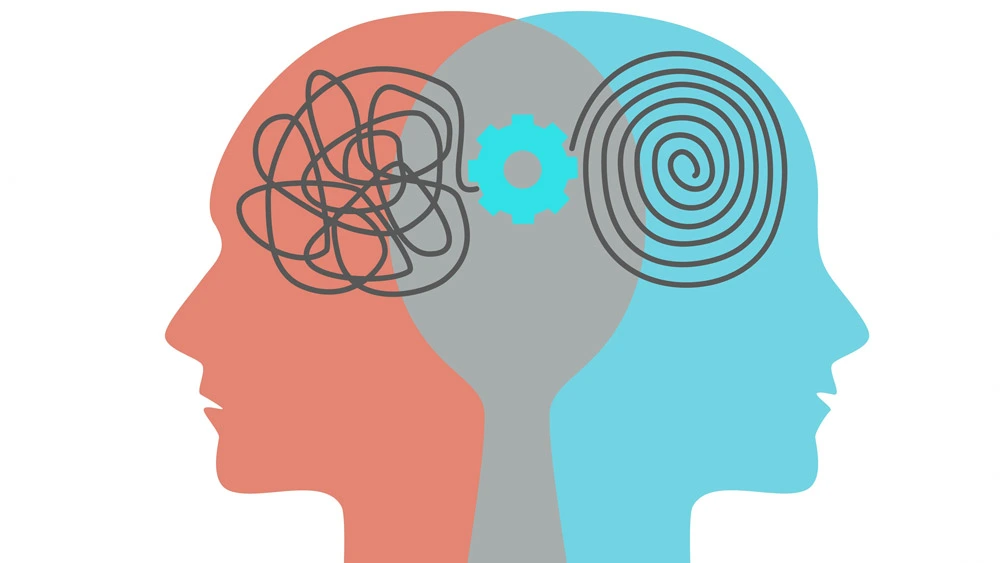
Antidepressants such as venlafaxine (Efexor) and duloxetine (Cymbalta or Yentreve) job in a slightly different way from SSRIs and TCAs. They're understood as serotonin-noradrenaline reuptake preventions (SNRIs). Like TCAs, they transform the levels of serotonin and noradrenaline in your brain. Researches have revealed that an SNRI can be much more efficient than an SSRI, however they can result in a rise in high blood pressure.
It's sometimes made use of with each other with other types of antidepressant. This can be useful if you have anxiety and troubles obtaining to sleep.
Antidepressants are not habit forming in the exact same method that controlled substances and cigarettes are, but you may have some withdrawal symptoms when you quit taking them. You'll be recommended to lower your dose gradually to aid avoid withdrawal symptoms. These can consist of: a distressed stomachflu-like symptomsanxietydizzinessvivid fantasizes at nightsensations in the body that really feel like electric shocksIn most cases, these are fairly light and last no more than 1 or 2 weeks, yet sometimes they can be fairly extreme.

Table of Contents
Latest Posts
Why Dyslexia Show Up Uniquely Throughout Ages
Why It Works: Marriage Therapy Restores Relationship Challenges Via Trauma-Informed Internal Family Systems Therapy
Understanding Why Stress Lodges in the Nervous System
Navigation
Latest Posts
Why Dyslexia Show Up Uniquely Throughout Ages
Why It Works: Marriage Therapy Restores Relationship Challenges Via Trauma-Informed Internal Family Systems Therapy
Understanding Why Stress Lodges in the Nervous System